
The short answer
A rusty car fights every repair. Bolts that should spin out seize or snap. Parts that should slide off are fused in place. A job that takes an hour on a clean car can take a day on a rusty one.
That is why rust is a problem when you buy a used car. Your maintenance will be met with friction, and then a wall.
How one bolt becomes a major job
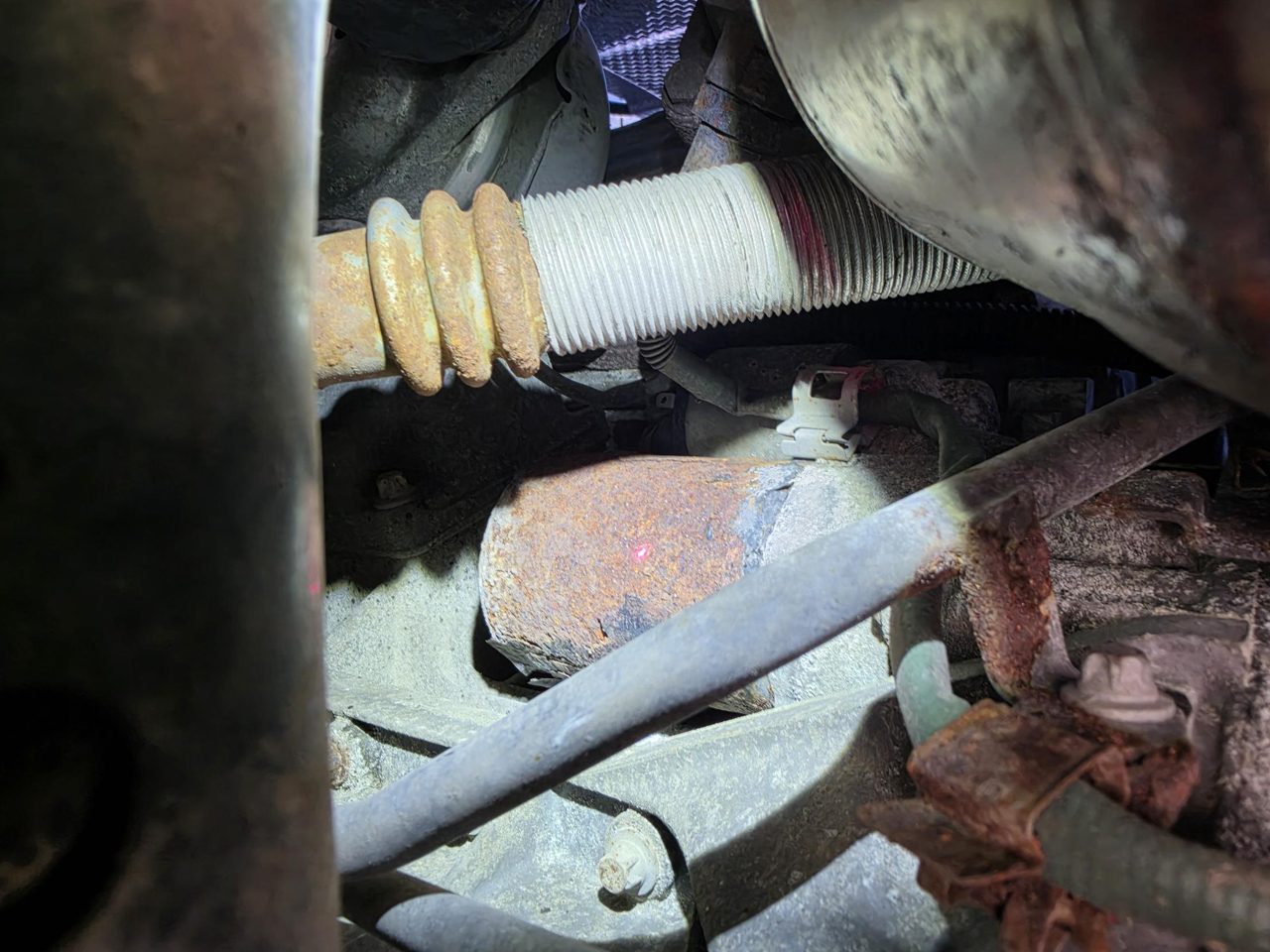
Rusty cars need a different approach. One hasty move and a broken bolt becomes a major problem.
Take a starter. If a bolt breaks, the old starter may not come out, or the new one can't go in. It is not uncommon for a job like that to need the engine pulled, just to reach the one bolt that now has to be repaired.
The same story goes for every part around it.
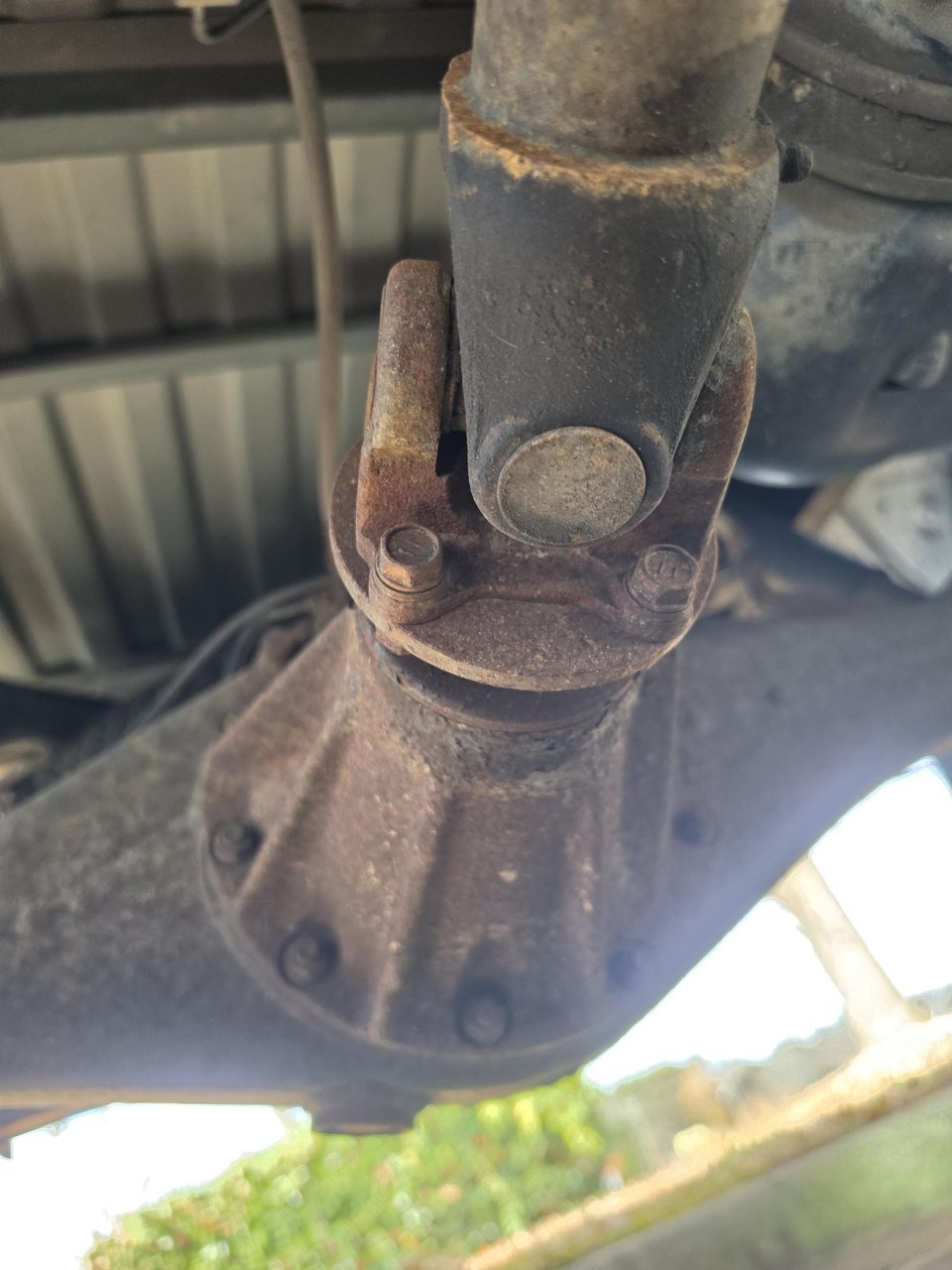
What it takes to work on a rusty car
There are techniques that help. None of them are fast.
- Mechanical. The right tools and a careful hand, not force.
- Chemical. Penetrants, chelation and acids. Each one needs time to soak in and work.
- Heat. To break the rust's grip on a bolt.
- Time. Every one of these takes it. Some days a prayer goes in too.
All of that is labor. It is why the same repair costs more on a rusty car than on a clean one. See how our estimates work.
Before you buy
- Look underneath, not just at the paint. A car can shine on top and be rusted below.
- Look at the bolts and brackets, not only the big panels. Those are what a mechanic has to turn later.
- Ask for photos of the underside before you drive hours to see a car.
- Count rust into the price. You are buying every future repair along with the car.
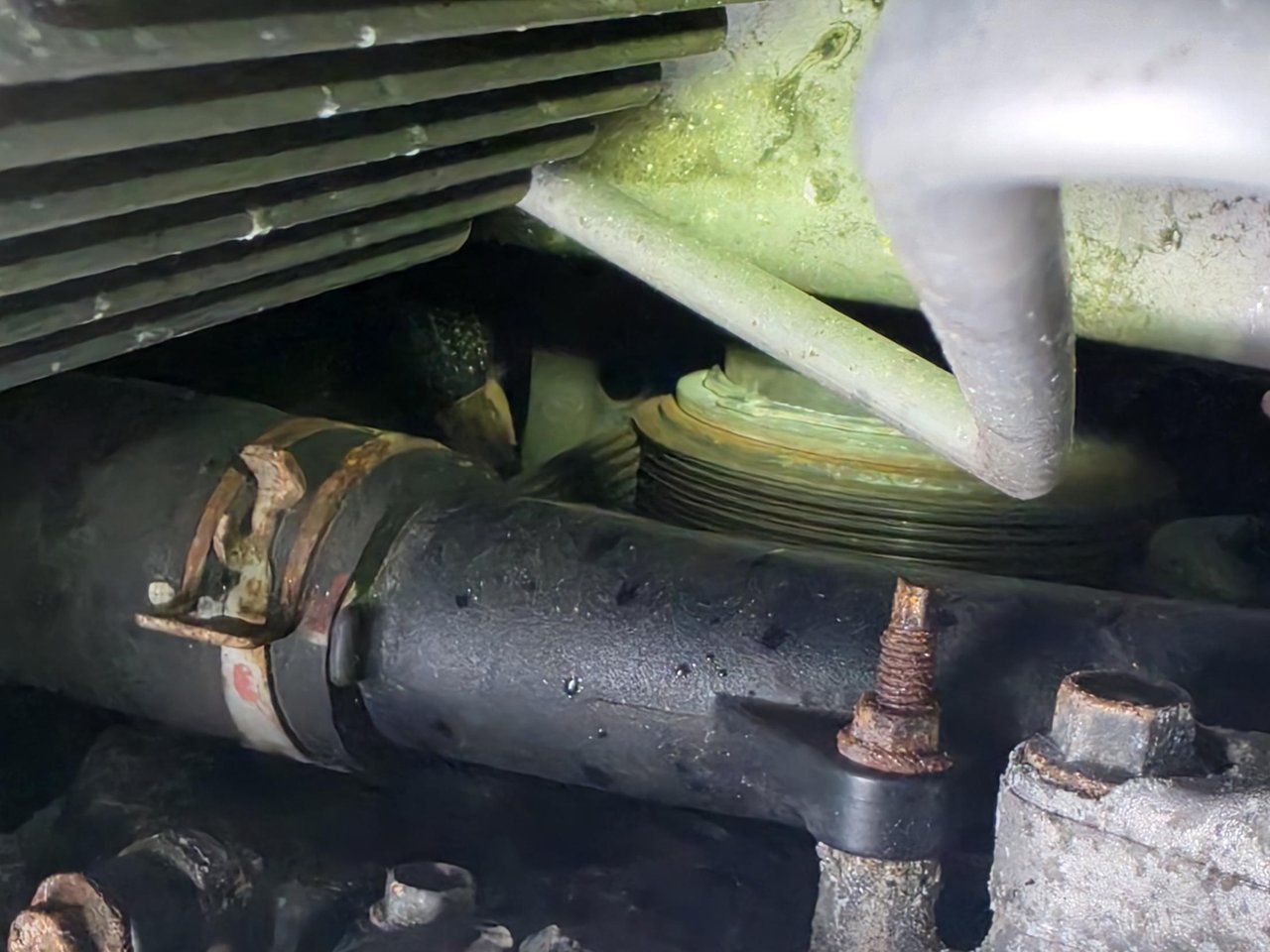
A pre-purchase inspection gets under the car and photographs what is there, so you see it before you pay.
Get a quote for a pre-purchase inspection
Updated November 28, 2026.