
The short answer
Springs hold the car up. Struts and shocks control how the springs move, so the tires stay on the road. A strut also holds the spring and is part of the steering. Worn ones don't just make the ride rough. They make stops longer, wear tires unevenly, and make the car harder to control in a swerve.
Signs they're worn
- Bouncing after bumps, or a floaty ride.
- Nose diving when braking or squatting when accelerating.
- Oil on the outside of the strut or shock.
- Cupped tire wear, scalloped patches around the tread.
- Clunks or pops over bumps or turning, often a strut mount.
- A corner that sits lower, often a broken coil spring.
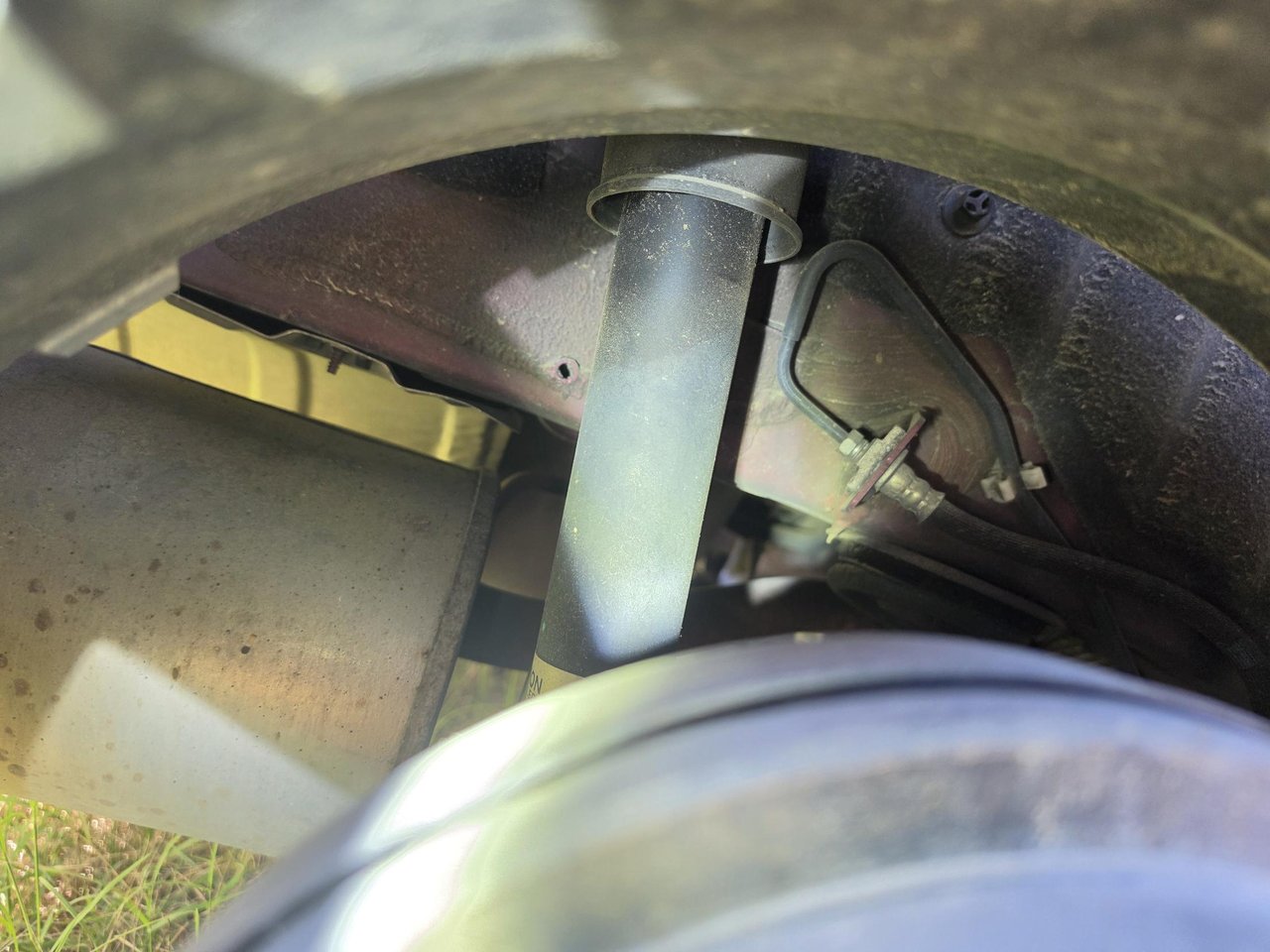
What the job includes
Struts are usually replaced in pairs on the same axle so both sides handle the same. Many are sold as complete assemblies with a new spring and mount, which is safer and faster than taking the old spring apart.
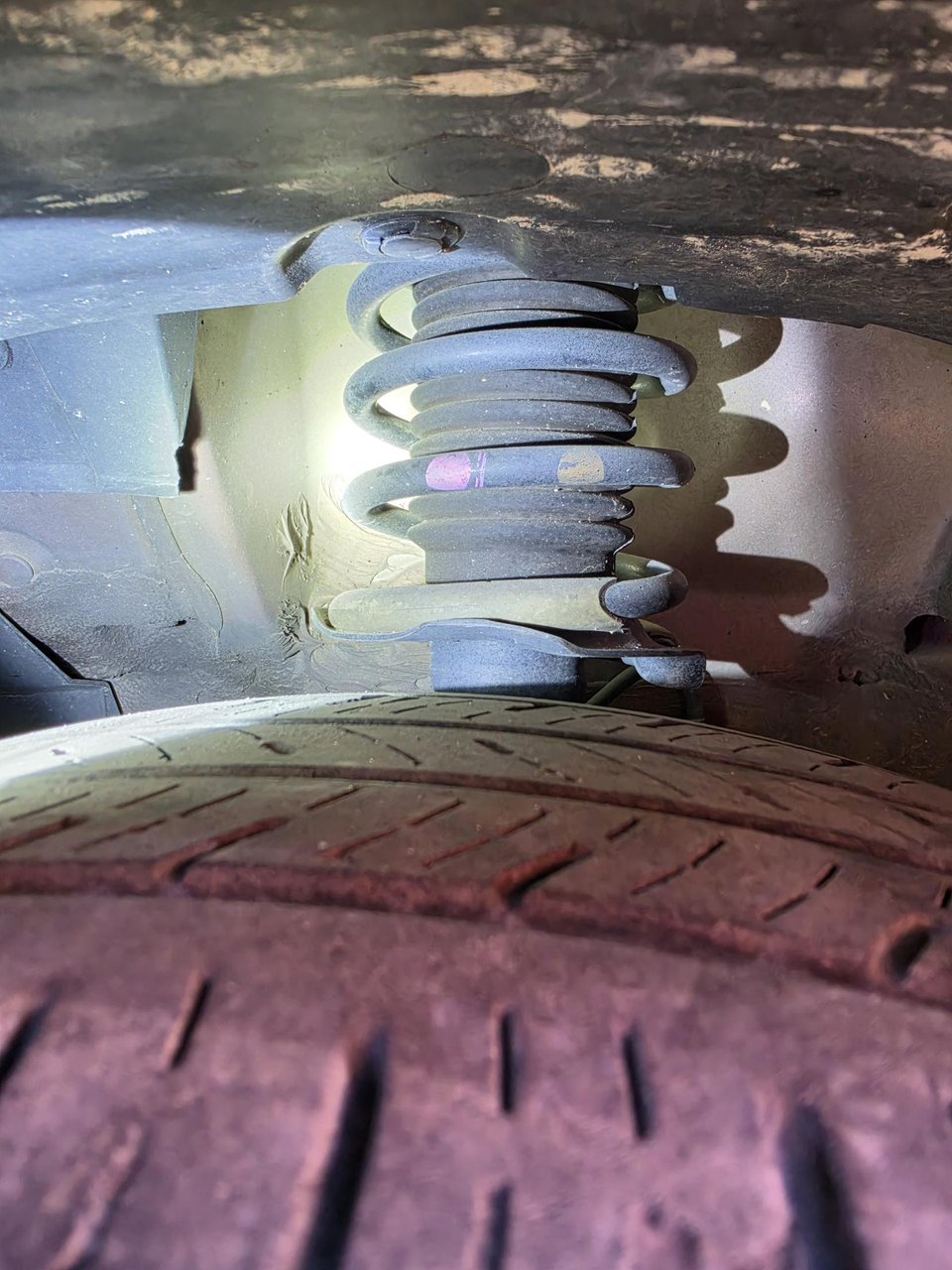
Alignment. Replacing tie rods, control arms, struts and some other steering and suspension parts changes the alignment. An alignment needs a shop's alignment rack. We'll tell you when your repair needs one.
Things you can do at home
- Write down when it happens: speed, turning left or right, braking, accelerating, bumps, cold mornings.
- Check whether it follows road speed or engine speed. Coasting in neutral at a safe moment, a noise that stays is wheels, tires or driveline. One that drops away follows the engine.
- Record it on your phone. Even a short clip helps.
- Look at your tires for uneven wear, bulges or a nail.
- Check the lug nuts are all there and tight, especially after recent tire work.
Getting it fixed
- Find the cause first. The right part gets replaced, not a guess.
- Written estimate first. You see what's worn before any work starts.
- Your choice of part. Options are ranked by quality and warranty term, from the best aftermarket and OEM parts.
- Where: where the car is parked, in Charlotte and the Lake Norman area. Like every repair we list, not every car can be done in a driveway. If we quoted your repair and can't reach the part when we arrive, your deposit is refunded.
Get a quote for a strut or shock replacement
Updated November 28, 2026.