The short answer
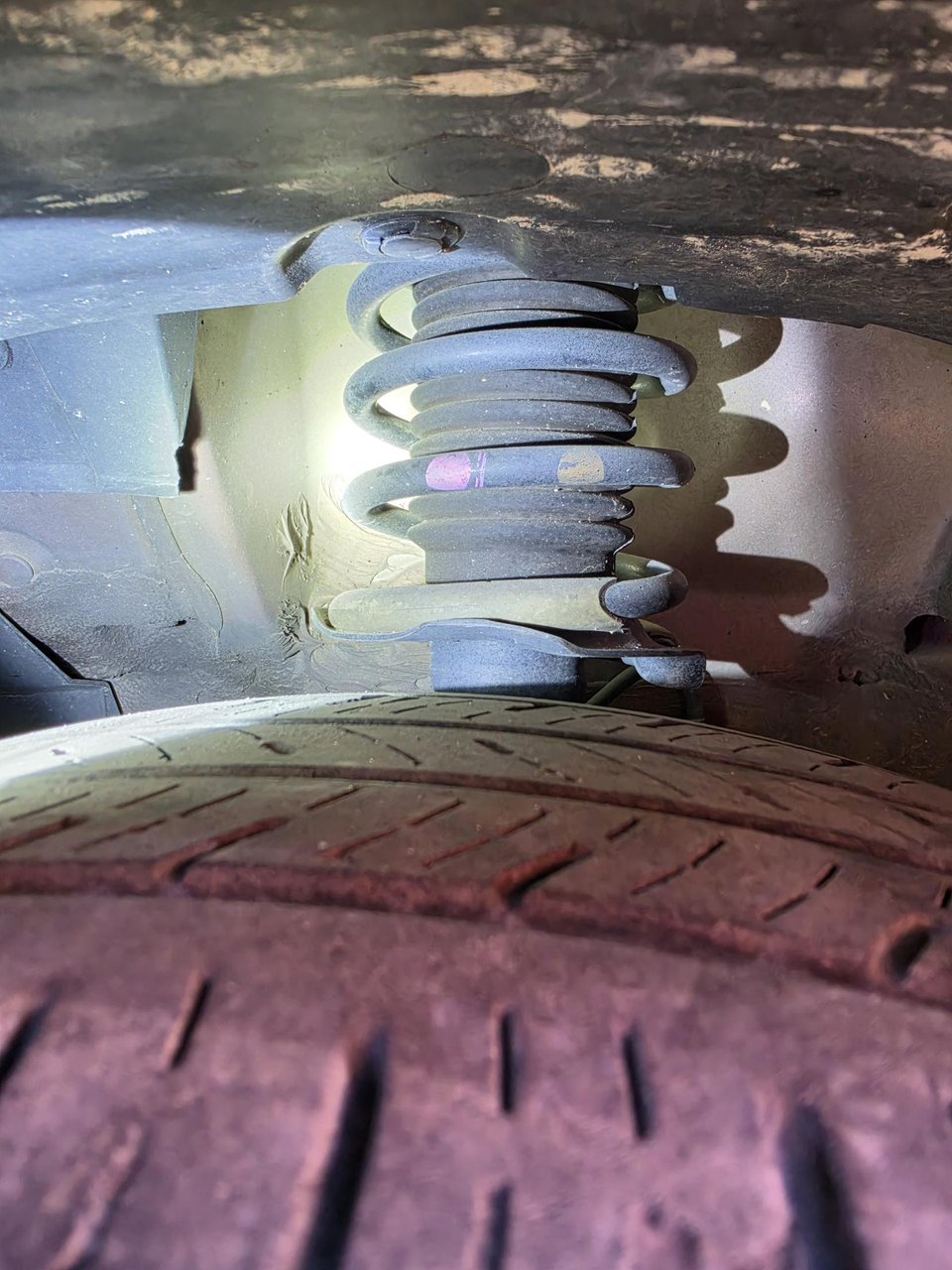
A clunk or knock over bumps means something in the suspension has play in it. The most common cause is worn sway bar links, which are inexpensive. But the same sound can come from a ball joint or tie rod, and those hold the wheel on and steer the car, so a clunk is worth checking soon.
Common causes
- Sway bar links and bushings. Rattles or clunks over small bumps and uneven pavement.
- Strut mounts and bearings. Clunk over bumps and sometimes a pop when turning the wheel.
- Worn struts or shocks. Bottoming out, or a knock when they're leaking.
- Ball joints. Clunk over bumps, wandering, uneven tire wear. A worn ball joint that separates can drop the wheel.
- Control arm bushings. Clunk when braking or accelerating as the arm shifts.
- Tie rods. Clunk with loose, vague steering.
- Something loose: a heat shield, the spare tire, a jack or items in the trunk.
Stop driving if
- The steering suddenly feels loose or the car darts.
- A wheel looks tilted at the top or bottom.
- The clunk turns into a grinding or the car pulls hard.
Things you can do at home
- Write down when it happens: speed, turning left or right, braking, accelerating, bumps, cold mornings.
- Check whether it follows road speed or engine speed. Coasting in neutral at a safe moment, a noise that stays is wheels, tires or driveline. One that drops away follows the engine.
- Record it on your phone. Even a short clip helps.
- Look at your tires for uneven wear, bulges or a nail.
- Check the lug nuts are all there and tight, especially after recent tire work.
How we track down a noise
We use test drives, a mechanic's stethoscope and careful attention. A good technician can tell a wheel vibration from an engine vibration from a driveline vibration. They can tell a high-pitched whine comes from a small bearing, like a pulley, not a large one like a wheel bearing. Knowing what a noise can't be matters as much as knowing what it can be.
- Ride along if you can. Show us exactly when it happens: speed, turning, braking, bumps, cold or warm.
- Reproduce it on a test drive, changing one thing at a time.
- Pin it down with a stethoscope and by inspecting and moving parts by hand with the car raised safely.
- Tell you what it is, and what it isn't, before any parts are ordered.
Alignment
Alignment. Replacing tie rods, control arms, struts and some other steering and suspension parts changes the alignment. An alignment needs a shop's alignment rack. We'll tell you when your repair needs one.
Getting it fixed
- Find the cause first. The right part gets replaced, not a guess.
- Written estimate first. You see what's worn before any work starts.
- Your choice of part. Options are ranked by quality and warranty term, from the best aftermarket and OEM parts.
- Where: where the car is parked, in Charlotte and the Lake Norman area. Like every repair we list, not every car can be done in a driveway. If we quoted your repair and can't reach the part when we arrive, your deposit is refunded.
Get a quote for a suspension inspection
Updated November 28, 2026.