
The short answer
Vibrations come from three places, and a good technician can tell them apart: the wheels and tires, the engine, or the driveline that carries power to the wheels.
- Wheels and tires
- Clues: Follows road speed, often worst at highway speeds. Front shows in the steering wheel, rear in the seat.
- Usually: Tire balance, a bent wheel, a damaged tire, a worn bearing or suspension part.
- Engine
- Clues: Follows engine speed, even parked. Rough idle or shaking at a stop.
- Usually: A misfire, worn engine or transmission mounts, or a belt-driven part.
- Driveline
- Clues: Shows up accelerating, at certain speeds, or when the load changes.
- Usually: CV axles, U-joints, driveshafts, or worn mounts letting things move.
- Only when braking
- Clues: Steering wheel or pedal shakes as you stop.
- Usually: Brake rotors. See steering wheel shakes when braking.
Things you can do at home
- Write down when it happens: speed, turning left or right, braking, accelerating, bumps, cold mornings.
- Check whether it follows road speed or engine speed. Coasting in neutral at a safe moment, a noise that stays is wheels, tires or driveline. One that drops away follows the engine.
- Record it on your phone. Even a short clip helps.
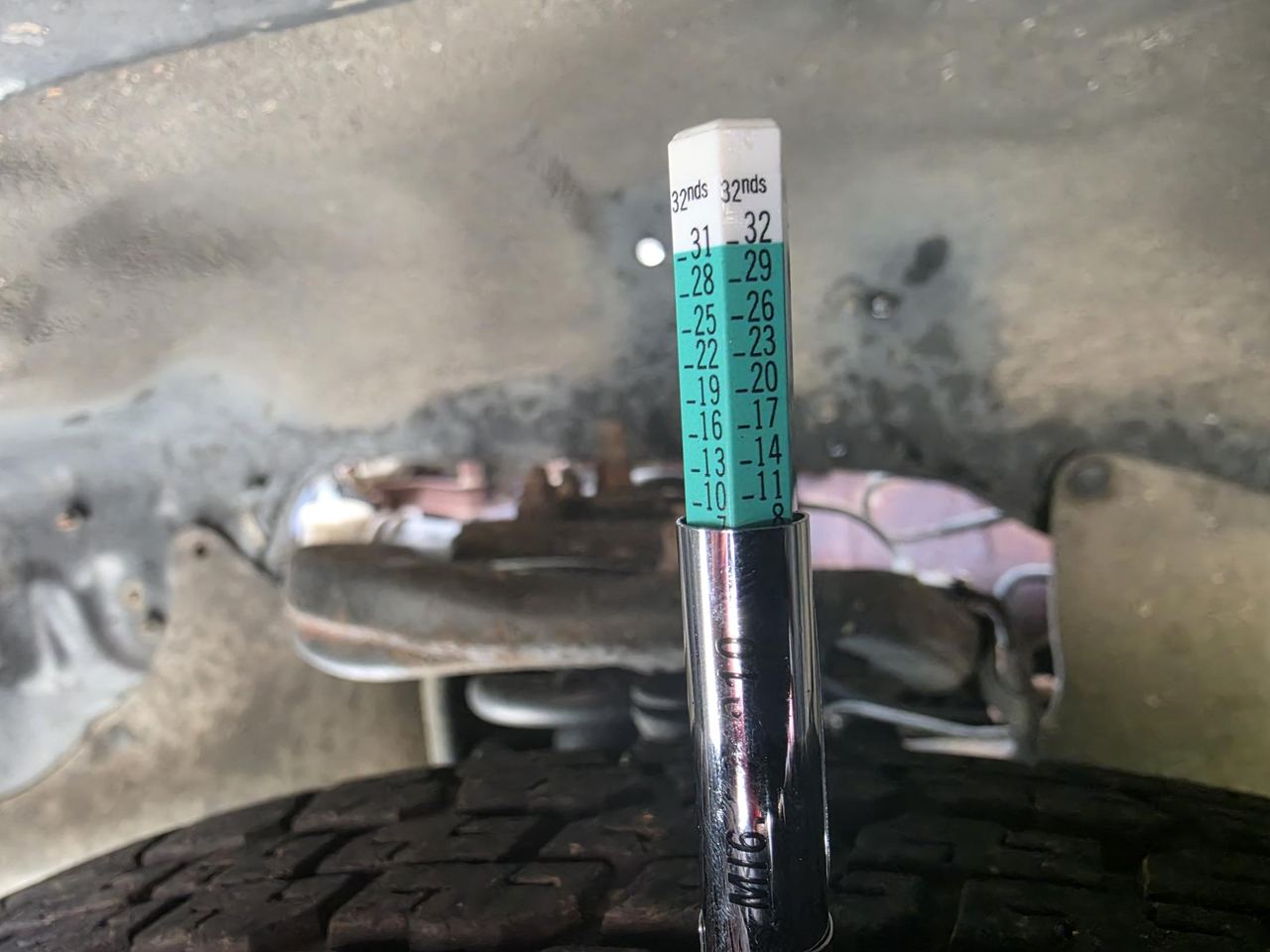
- Look at your tires for uneven wear, bulges or a nail.
- Check the lug nuts are all there and tight, especially after recent tire work.
How we track down a noise
We use test drives, a mechanic's stethoscope and careful attention. A good technician can tell a wheel vibration from an engine vibration from a driveline vibration. They can tell a high-pitched whine comes from a small bearing, like a pulley, not a large one like a wheel bearing. Knowing what a noise can't be matters as much as knowing what it can be.
- Ride along if you can. Show us exactly when it happens: speed, turning, braking, bumps, cold or warm.
- Reproduce it on a test drive, changing one thing at a time.
- Pin it down with a stethoscope and by inspecting and moving parts by hand with the car raised safely.
- Tell you what it is, and what it isn't, before any parts are ordered.
Getting it fixed
- Find the cause first. The right part gets replaced, not a guess.
- Written estimate first. You see what's causing it before any work starts.
- Your choice of part. Options are ranked by quality and warranty term, from the best aftermarket and OEM parts.
- Where: where the car is parked, in Charlotte and the Lake Norman area. Like every repair we list, not every car can be done in a driveway. If we quoted your repair and can't reach the part when we arrive, your deposit is refunded.
Get a quote for a vibration diagnosis
Updated November 28, 2026.